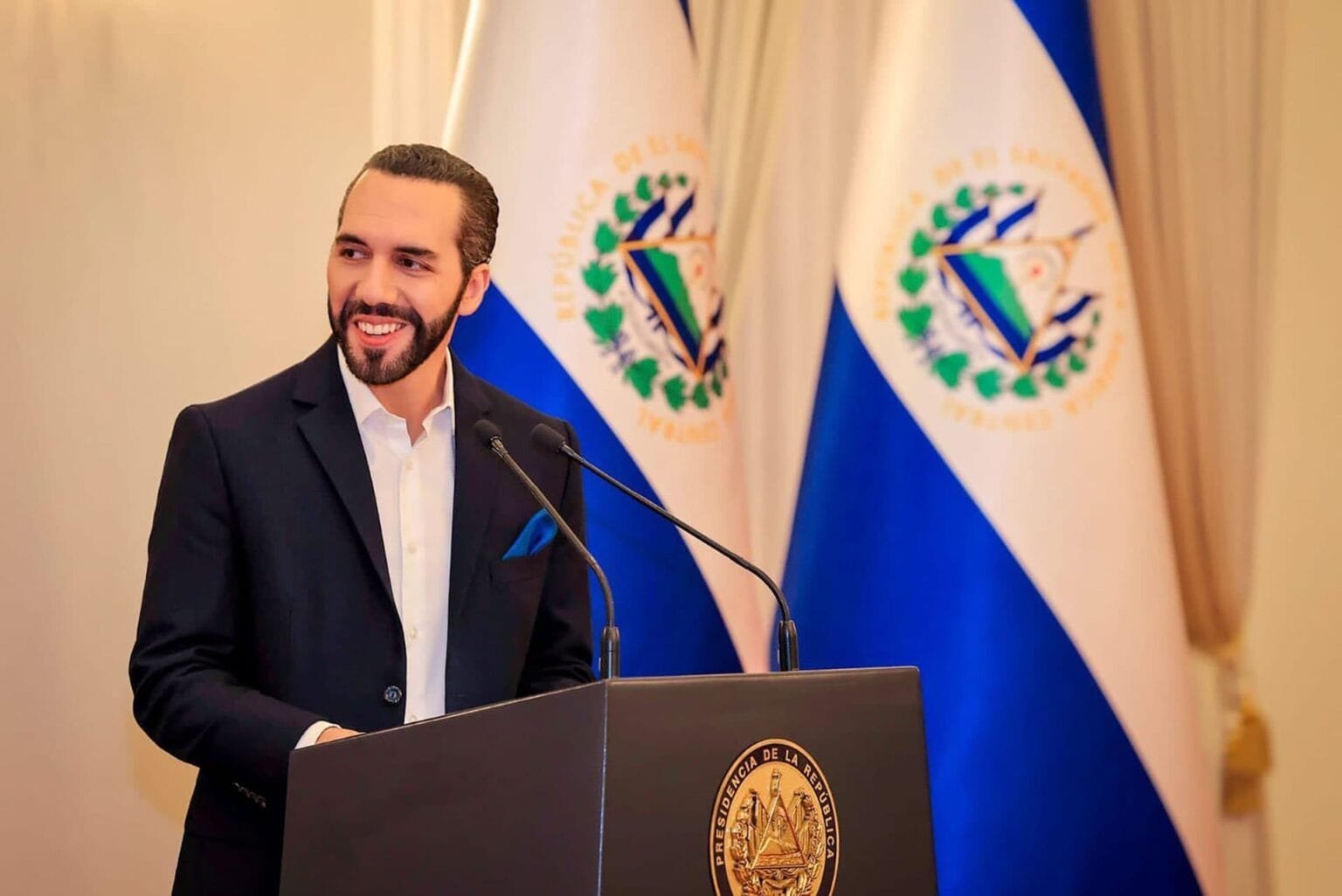
El Salvador’s legislature on July 31, approved a major constitutional reform that abolishes presidential term limits, effectively allowing President Nayib Bukele to seek re‑election indefinitely. The amendment also extends presidential terms from five to six years, eliminates runoff elections, and accelerates the next general election to 2027 to align presidential, legislative, and municipal contests in one cycle. The bill passed overwhelmingly by a 57‑3 vote in the New Ideas‑dominated National Assembly, with only minimal opposition from independent voices .
Proponents framed the reform as a democratic advancement, arguing voters should have the power to decide how long they support public officials, including the president regardless of constitutional restrictions. The alignment of elections, they say, will reduce costs and increase political stability. Lawmaker Ana Figueroa, who introduced the legislation, emphasized that the changes enable “unlimited re‑election without reservations” and consolidate a more efficient electoral calendar.
Critics, however, slammed the reforms as an authoritarian power grab and a blow to El Salvador’s democracy. Opponents likened Bukele’s move to regional predecessors like Hugo Chávez and Daniel Ortega, warning that it undermines checks and balances, consolidates executive control, and effectively ends meaningful competition. Human Rights Watch described the reforms as a step toward dictatorship, while opposition legislator Marcela Villatoro proclaimed, “this day, democracy has died in El Salvador”.
Bukele, who first took office in 2019 and won re‑election in 2024 following a controversial court ruling, has cultivated strong public support for his tough anti‑gang policies and economic initiatives, winning nearly 85 percent of the votes. These reforms now appear to cement his grip on power under the banner of electoral legitimacy. The reforms still require a second legislative vote for formal ratification, but given the overwhelming majority backing, passage is considered assured.
The constitutional overhaul marks a watershed moment for El Salvador’s political trajectory. With term limits gone and electoral rules rewritten, Bukele’s presidency may now extend indefinitely raising alarm both domestically and internationally over the future of democratic governance in the country.