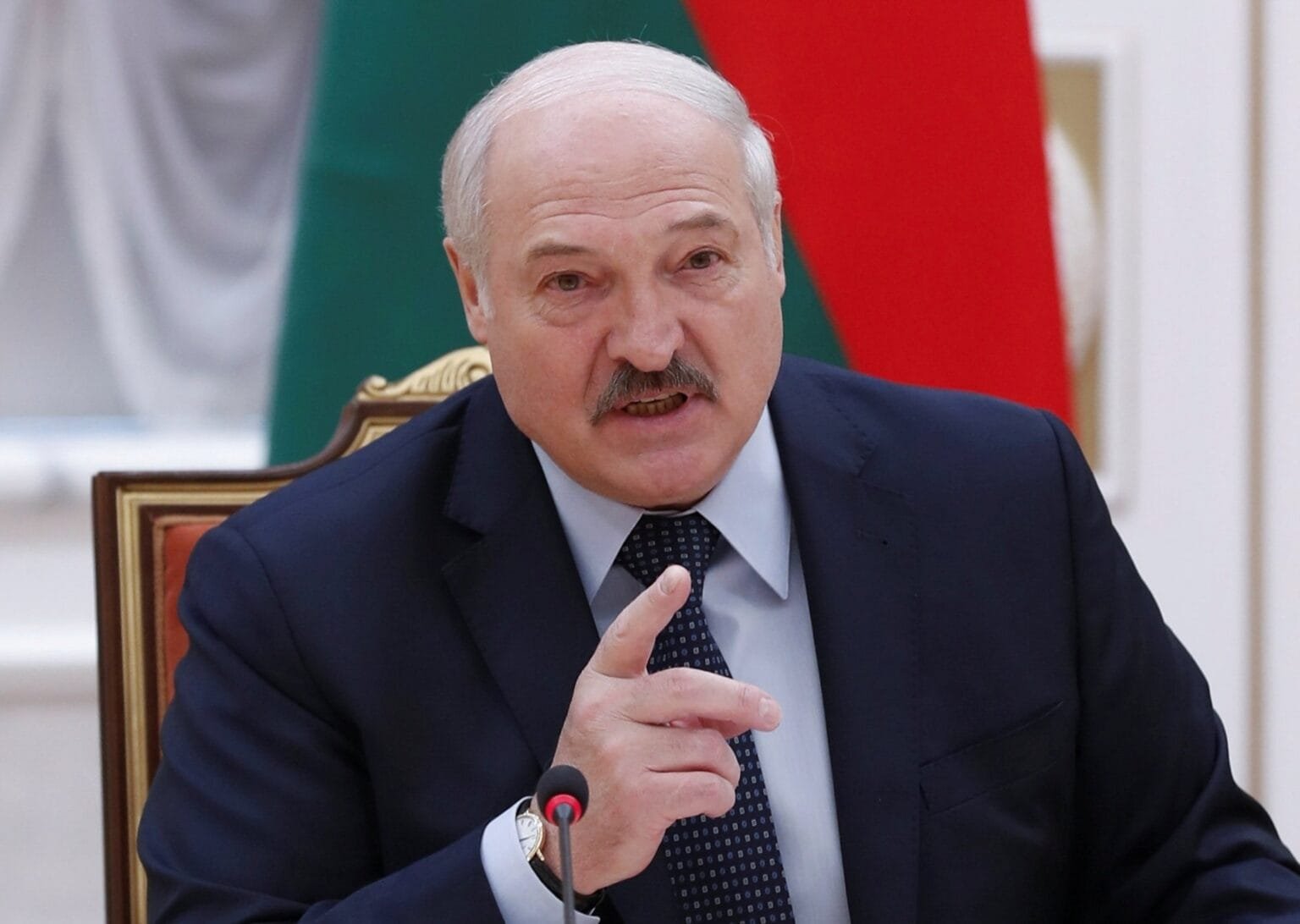
Belarusian President Alexander Lukashenko has confirmed his readiness to organize trilateral talks involving Russian President Vladimir Putin, U.S. President Donald Trump, and Ukrainian President Volodymyr Zelensky, proposing Minsk, Istanbul, or Geneva as potential venues. In an interview with TIME, Lukashenko emphasized the need for structured preparations, suggesting a two-day format: U.S.-Russia discussions on day one, followed by Ukraine’s inclusion if progress is made. He criticized Trump’s 50-day ultimatum for peace as unrealistic, advocating instead for incremental steps like an aerial truce to halt missile strikes and drone attacks.
Lukashenko expressed confidence in Putin and Trump’s willingness to meet in Minsk but acknowledged Zelensky’s likely resistance, citing the Ukrainian leader’s past refusals. “What’s wrong with Minsk?” Lukashenko countered, highlighting Belarus’s role in facilitating prisoner exchanges between Russia and Ukraine. He dismissed U.S. media narratives framing Putin as “bad” and Trump as “better,” urging objectivity and criticizing Trump’s volatile rhetoric. “Leadership is about preventing wars, not saber-rattling,” he remarked.
The proposal coincides with White House efforts to arrange a Trump-Putin meeting, possibly as early as next week, though the location remains undisclosed. While Trump initially insisted Putin meet Zelensky first, he later softened the demand, stating he was “open” to bilateral talks. Kremlin aide Yuri Ushakov confirmed a Trump-Putin summit is imminent, with the UAE floated as a potential host. Zelensky, meanwhile, stressed that Ukraine and Europe must be included in any peace process, calling for “brave” engagement from Russia.
Lukashenko’s mediation bid underscores Minsk’s attempt to position itself as a neutral arbiter, despite its close ties to Moscow. He reiterated Belarus’s strategic value to Russia, warning that NATO troops near Smolensk would be a red line. “The loss of Belarus would mean the loss of a part of Russia,” he said, dismissing comparisons to Iran or North Korea. The Belarusian leader also revealed he privately critiques Putin’s “mistakes” but stressed resolving the conflict based on “today’s realities”.
As diplomatic maneuvering intensifies, Zelensky reported a “productive” call with Trump on sanctions and a potential $30 billion drone deal, even as Russian strikes continue. With Lukashenko’s offer on the table and competing formats emerging, the path to negotiations remains fraught with logistical and political hurdles.