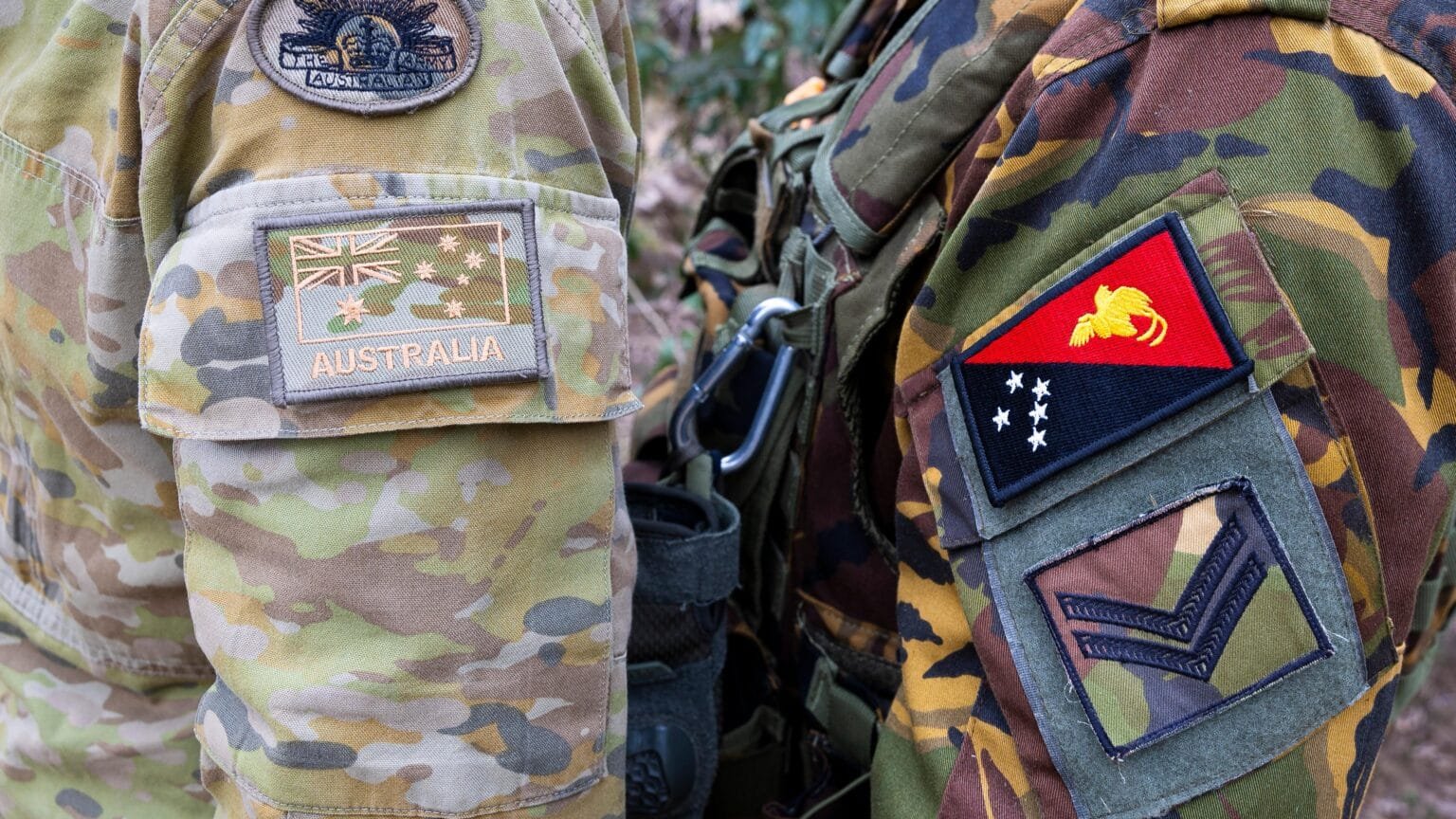
Australia and Papua New Guinea are poised to sign a landmark bilateral defence treaty that would see their military forces become “totally integrated,” in terms of training, equipment, recruitment, and joint defence obligations. The agreement is expected in Port Moresby during Papua New Guinea’s 50th anniversary of independence.
Under the proposed treaty, the Australia Defence Force (ADF) and the Papua New Guinea Defence Force (PNGDF) would not just train together, but share assets, conduct joint operations, and potentially defend each other’s territories should either country come under attack. This goes beyond simple interoperability, aiming for full integration of the two militaries.
An unusual provision in the treaty would allow citizens of PNG to enlist in the ADF and conversely, Aussies could serve in the PNGDF, with same pay for equal positions. There is also talk of a pathway to Australian citizenship for Papua New Guineans who serve in the ADF.
The treaty would include mutual defence commitments, meaning that if one nation is attacked, the other is legally obliged to act. Also, as part of the agreement, Australia would have access to facilities inside PNG with fewer operational constraints.
Both governments insist that the pact will respect sovereignty, territorial integrity, and international law. However, in PNG there is significant concern among former military leaders and opposition politicians about how the integration might affect PNG’s autonomy. They question whether the treaty could compromise constitutional limits, dilute PNGDF leadership, or entangle PNG in external conflicts.
Analysts see this treaty as part of a broader push by Australia to shore up its influence in the Pacific amid rising Chinese economic, diplomatic, and security outreach to Pacific island nations. The deal is framed as both a defensive posture and strategic insurance, helping to counterbalance gains China has made through its presence in other Pacific states.