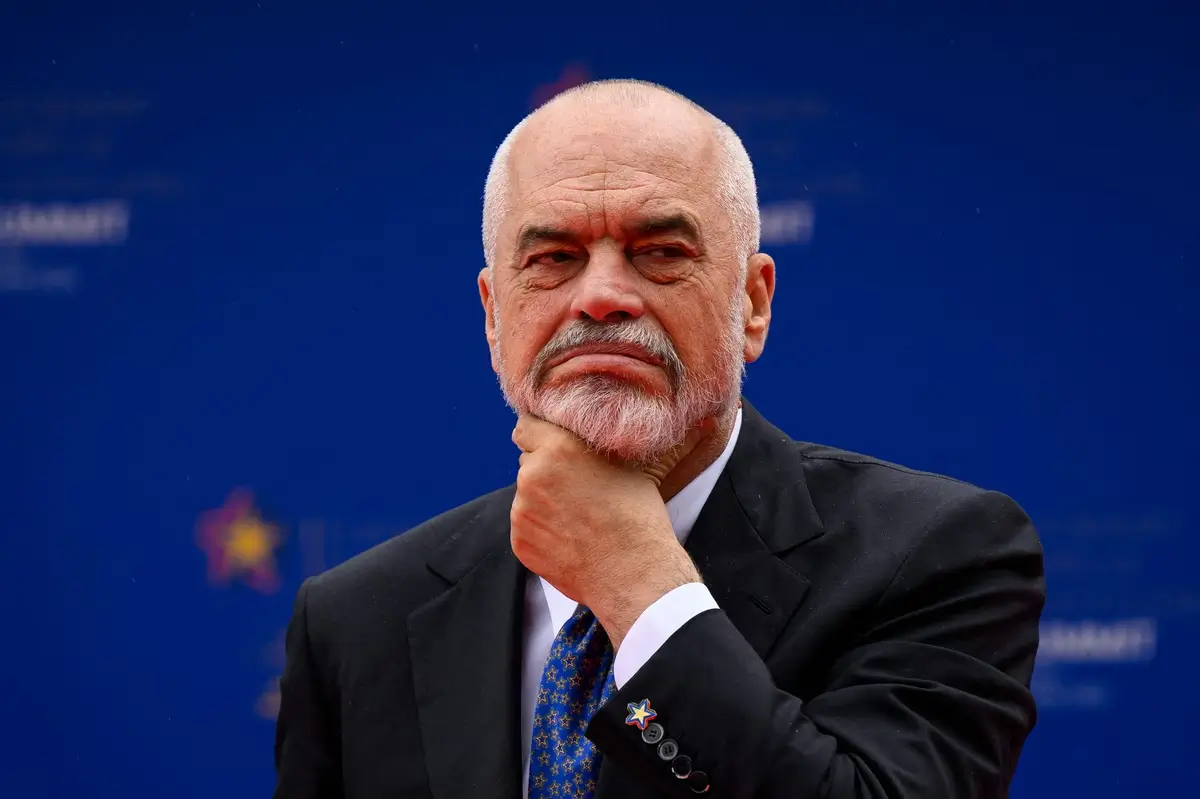
Albania has made history by appointing an AI bot named Diella to the cabinet, charging it with responsibility for public procurement in a bid to tackle the country’s persistent corruption problems. Prime Minister Edi Ram, now beginning his fourth term, unveiled Diella—meaning “sun” in Albanian, as the first virtual minister during his new government’s announcement, saying the bot will oversee and award government tenders with the goal of eliminating human bias, bribery, and undue influence.
Diella first appeared earlier in 2025 as a virtual assistant on Albania’s e-Albania platform, where it helped citizens access government services and documents digitally. In its cabinet role, Diella is intended to shift the awarding of public contracts from human committees to an AI-driven process, making procurement “100% free of corruption,” according to Rama.
The move comes amid Albania’s broader efforts to meet European Union standards ahead of its goal of accession by 2030, with public procurement often singled out as a major area of concern due to frequent scandals, opaque procedures, and allegations of favoritism. Diella is seen by the government as a tool to bolster transparency, reduce opportunities for graft, and enhance trust in the public sector.
Despite the ambition behind the appointment, there is widespread public skepticism. Critics question whether an AI system can truly be immune to manipulation, how accountability will be ensured, and what human oversight mechanisms will be in place to prevent misuse. Some Albanians have remarked on social media with doubts, suggesting corruption might continue, albeit via new channels.
Moreover, official sources have not yet provided full details about Diella’s governance structure, including how its decisions will be audited, how data will be protected, and how legal responsibility will be assigned in case of errors or abuses. These gaps fuel concerns that the measure, while technologically innovative, may not fully solve entrenched systemic issues.
The parliament, elected in May, is expected to convene soon, and confirmation of the new cabinet is pending. Meanwhile, the announcement of Diella has elevated debate over how best to combine AI and human oversight in governance and whether other countries might emulate Albania’s experiment.